
Think your eco-friendly skincare NZ routine is really sustainable? You’re not alone — many Kiwis are switching to natural, planet-safe beauty products in 2025. But here’s the catch: not every “green” label tells the full story. In this guide, we’ll walk you through 10 revealing questions every conscious Kiwi should ask to ensure their routine matches real eco values, not just clever marketing. Let’s find out if your products are truly kind to your skin, planet, and future.
Q1. Do You Really Understand What’s in Your Skincare Products?
It’s easy to trust labels that say “natural”, “organic”, or “eco-friendly”, but what’s actually inside the jar? Many Kiwis are surprised to learn that some products with green branding still contain synthetic preservatives, microplastics, or non-biodegradable fillers. The ingredient list is your best friend — especially the first five ingredients, which make up most of what you’re applying to your skin.
How to Fix It:
Get in the habit of scanning ingredients before buying. Look for short, simple lists and avoid items you can’t pronounce. Apps like INCI Decoder or Think Dirty help Kiwis decode complex names and make informed, eco-conscious choices.
Q2. Are You Relying Too Much on “Green” Packaging and Buzzwords?
It’s tempting to assume that products with green packaging, recyclable-looking containers, or words like “clean beauty” and “eco-certified” are truly sustainable. But in New Zealand and globally, brands often use these design tricks to give the illusion of sustainability, a tactic known as greenwashing. Unless the product backs its claims with third-party certifications or transparent sourcing information, the outer look may not match what’s inside.
How to Fix It
Look past the packaging. Check for certification logos like BioGro NZ, ECOCERT, or COSMOS. These indicate the product meets verified sustainability standards. You can also visit the brand’s website. If it’s truly eco-conscious, they’ll clearly share sourcing, production, and waste policies.
Q3. Are You Using Products with Hidden Fragrance or Parfum?
“Fragrance” or the ingredient label “parfum” might sound harmless, but they’re often catch-all terms for a blend of undisclosed synthetic chemicals. In New Zealand, brands don’t have to reveal what’s inside these mixtures, even if some are linked to skin irritation, hormonal disruption, or allergies. That means even “natural” products may hide harsh additives under just one vague word.
How to Fix It
Look for fragrance-free or unscented products, especially for daily skincare. If a product lists “parfum,” check whether the brand discloses the scent source, like essential oils or botanical extracts. Labels that are specific and transparent are usually more trustworthy.
Q4. Are You Using Too Many Single-Use Skincare Products?
From sheet masks to sample sachets, many skincare products are designed for single use and come wrapped in non-recyclable packaging. While they seem convenient or luxurious, these items generate a surprising amount of plastic waste, especially when used regularly. For eco-conscious Kiwis, this habit often clashes with a truly sustainable skincare routine.

How to Fix It
Swap single-use items for multi-use or reusable alternatives. Look for refillable containers, washable cloth pads, or products in jars or glass bottles. Not only are these better for the environment, but they also save money and reduce clutter over time.
Choosing eco-friendly skincare NZ tools like reusable jars or cloth pads is a small shift with a big environmental return.
Q5. Do You Know Where Your Skincare Ingredients Are Sourced From?
Even natural ingredients can have a high environmental cost if they’re sourced unsustainably. For example, ingredients like palm oil, mica, or certain botanicals may contribute to deforestation, unethical labor, or habitat loss. Many Kiwis are unaware of how these raw materials are harvested, which makes it harder to align their skincare routine with eco values.
How to Fix It
Choose brands that clearly state their ingredient sourcing practices. Look for labels like fair trade, ethically harvested, or sustainably grown. A truly eco-conscious company will be transparent about where its ingredients come from and how they impact people and the planet.
Q6. Are You Ignoring Expiry Dates and Product Shelf Life?
Using expired skincare products doesn’t just reduce their effectiveness — it can also lead to skin irritation, breakouts, or bacterial contamination. Many Kiwis unknowingly keep products for months or years past their expiry, especially items like sunscreens, moisturisers, and serums. Ignoring shelf life contributes to product waste and can compromise both your skin health and your eco goals.
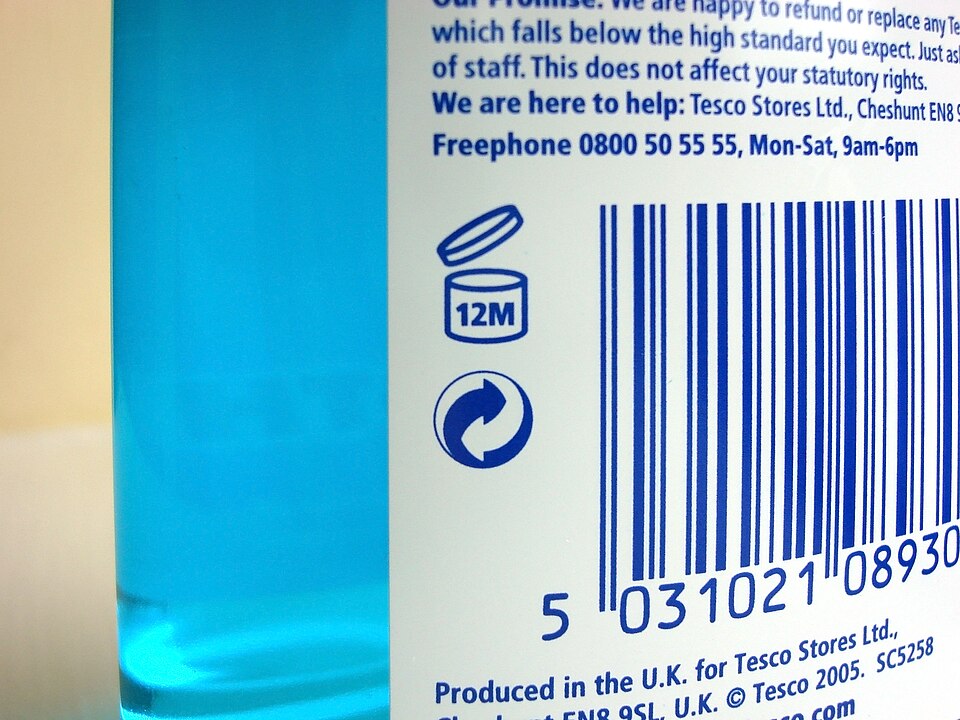
Keeping track of expiry dates is part of maintaining a responsible eco-friendly skincare NZ routine that minimizes waste.
How to Fix It
Check each product’s expiry date or the PAO symbol (Period After Opening — e.g., “6M” for six months). If you can’t remember when you opened it, it’s safer to replace it. Consider using a small label or app to track open dates. Keeping your skincare fresh is not only safer — it reduces waste and ensures you get the results you paid for.
Q7. Do You Use More Product Than You Actually Need?
Using extra product doesn’t lead to better results — it often leads to faster depletion, waste, and clogged pores. Many Kiwis overuse moisturisers, serums, and cleansers, either from habit or from unclear packaging instructions. Over-application not only wastes your money, but also increases the environmental impact of your skincare routine through unnecessary repurchasing and packaging disposal.
How to Fix It
Follow the recommended usage amounts — often pea-sized or a few drops is enough. Some products even include usage icons or guides on the label. A more mindful routine means less waste, longer-lasting products, and fewer repurchases, which supports both your skin and sustainability goals.
Q8. Are You Choosing Products That Travel Thousands of Kilometres to Reach You?
Many skincare products available in New Zealand are imported from overseas, often traveling thousands of kilometres before reaching your shelf. This contributes to a larger carbon footprint, due to emissions from shipping, packaging, and warehousing. While international products may seem appealing, they often come at an environmental cost that undermines an otherwise eco-conscious routine.
How to Fix It
Support local or NZ-made brands whenever possible. Not only does this reduce transport emissions, but it also supports sustainable local businesses and gives you more transparency about sourcing. Look for products proudly labeled Made in New Zealand, or shop from Kiwi-based eco skincare startups that prioritise both planet and people.
Q9. Do You Use Water Wisely During Your Skincare Routine?
Rinsing cleansers for too long, leaving the tap running, or using hot water unnecessarily can significantly increase your water consumption. While it may not seem like much, daily routines add up — especially in areas of New Zealand where water conservation is becoming increasingly important. Being eco-friendly isn’t just about the products you use, but also how you use them.
How to Fix It
Turn off the tap while massaging or cleansing your face, and use lukewarm water instead of hot. Choose rinse-free products like micellar water when possible, or multitask during shower-based routines. Small changes in water habits can help reduce your routine’s environmental impact without sacrificing results.
Q10. Are You Recycling or Disposing of Your Empty Skincare Containers Responsibly?
Finishing a product is great, but how you dispose of the packaging matters just as much. Many Kiwis toss containers into the general bin without checking if they’re recyclable, refillable, or part of a take-back program. Even eco brands sometimes use mixed materials (like pumps with metal springs) that are difficult to recycle. Improper disposal can turn a conscious routine into a waste problem.
How to Fix It
Rinse containers before recycling and check your local NZ guidelines. Choose brands with refill stations, glass packaging, or recycling partnerships. Some companies offer return programs that make it easier to dispose of containers responsibly, keeping your skincare routine eco-friendly right through to the end.
Final Thoughts on Building an Eco-Friendly Skincare NZ Routine
Choosing eco-friendly skincare in 2025 isn’t just about buying the right products — it’s about building the right habits. These 10 questions are here to help you pause, reflect, and make more informed, conscious choices that benefit both your skin and the planet. Remember, even small changes can have a big impact when done consistently.
Building a consistent eco-friendly skincare NZ routine is about small habits that create long-term impact.
If you found this helpful, you may also enjoy our guide on how to build a sustainable daily skincare routine or check out top-rated eco skincare products made in New Zealand.
For more local tips, visit the New Zealand Dermatological Society or consult a qualified skincare professional for personalized advice.